


 English
 Spanish
 French
 German
 Italian
 Chinese (Simplified)
 Japanese
 Korean
 Arabic
 Portuguese



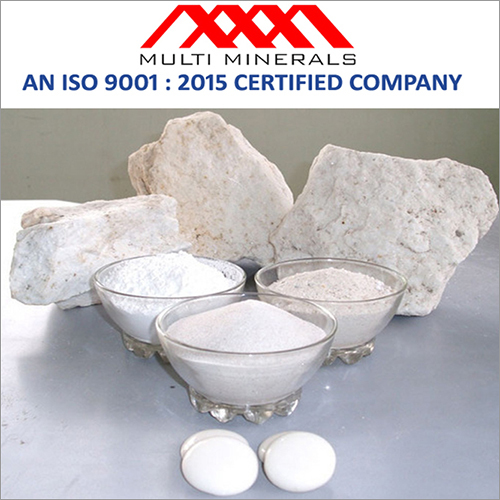
We are dedicatedly involved in offering a wide assortment of Sodium Feldspar for Ceramics Industry. Free from impurities, desirable hardness and environment friendly are qualities of offered products. In addition to this, our products are getting huge appreciation amongst our clients for their brilliant qualities. Besides, the provided Sodium Feldspar for Ceramics Industry can be availed by our client at industry leading prices. Owing to their purity and quality, these products are also used innumerous industries.
Technical Specification
| State | Powdered |
| Grade | Ceraspar 201 |
| Packaging Type | HDPE Bags, Packet |
| Packaging Size | 25Kg / 50Kg |
| Color | White |
| Purity | 7 -8 % Na2O |
| Brand Name | MULTI MINERALS INDUSTRIES |
| Dimension | 200 Mesh |
| Design Method | Glazing |
| Usage | Interior Decor, Exterior Decor, Industrial Use, Promotional Use |
| Quantity per Pack | 50 Kg HDPE Bags, Jumbo Bags |
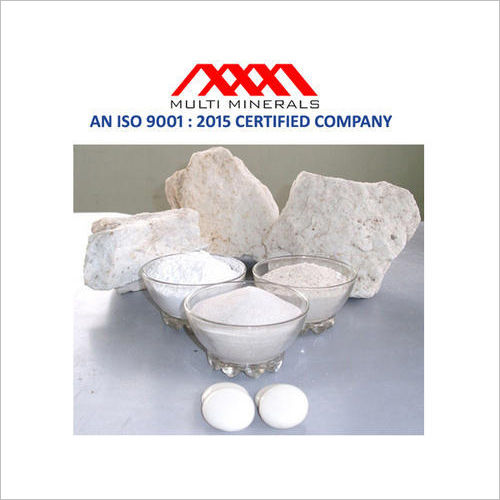

Price:
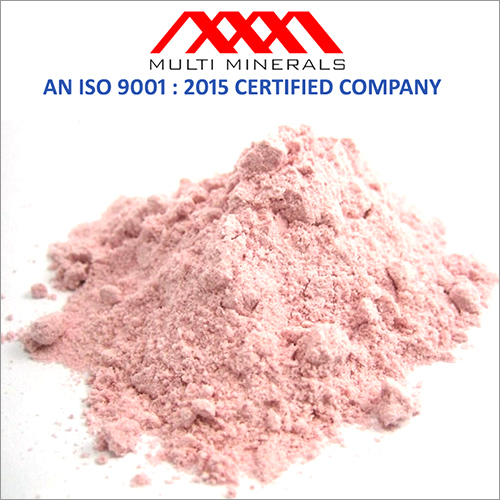
Price 100 INR / Metric Ton
Minimum Order Quantity : 21 Metric Tons
Material : Potassium Feldspar
Application : Other, Ceramics, Glass, Tiles, Paints, Frits, Refractories
Purity : 98% Min
Strength : High mechanical strength
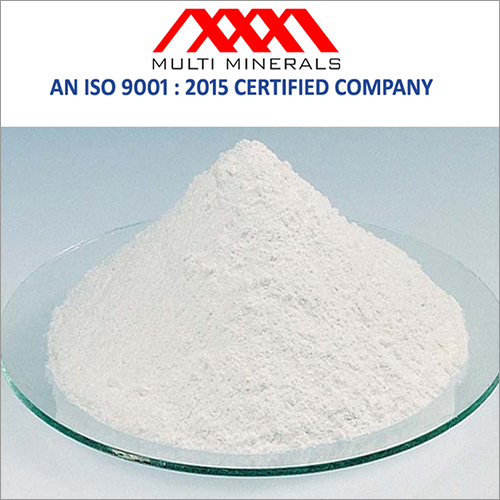
Price 100 INR / Metric Ton
Minimum Order Quantity : 21 Metric Tons
Material : Natural Sodium Feldspar Mineral
Application : Other, Ceramic, Glass, Tiles, Sanitaryware, Paints
Purity : 98% Min
Strength : High mechanical strength
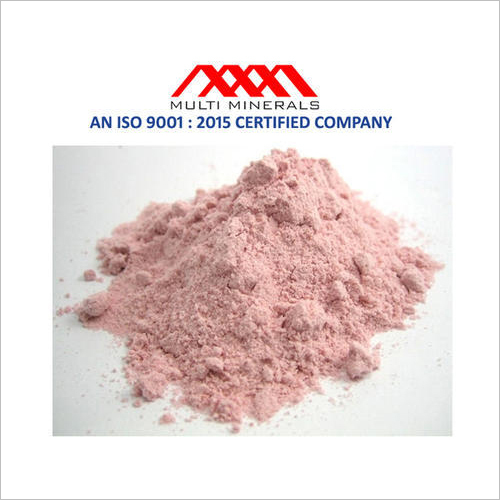
Price 100 INR / Metric Ton
Minimum Order Quantity : 21 Metric Tons
Material : Potash Feldspar
Application : Other, Ceramics, Tiles, Sanitaryware, Tableware
Purity : 99% Min.
Strength : High Mechanical Strength
Minimum Order Quantity : 21 Metric Tons
Material : Feldspar mineral
Application : Ceramics
Purity : Min 98%
Strength : High mechanical strength



|
 |
MULTI MINERALS INDUSTRIES
All Rights Reserved.(Terms of Use) Developed and Managed by Infocom Network Private Limited. |

 Send Inquiry

 Send Inquiry
